
Light Reflectance Values (LRV) Guide
Light Reflectance Value, commonly abbreviated to LRV, measures the amount of visible light reflected by a surface.
LRV is measured on a scale from 0 to 100. A value of 0 represents a completely black surface with very little reflected light, while 100 represents a completely white surface with very high light reflectance.
Put simply, the higher the LRV, the lighter a surface will generally appear.
Why are Light Reflectance Values Important?
Light Reflectance Values can be used to assess the visual contrast between adjoining surfaces.
Providing sufficient contrast can make changes in surface, level and direction easier to identify, particularly for people with visual impairments. This can be relevant when selecting colours for stairs, flooring, access routes and other areas where clearly distinguishable surfaces are important.
Two colours may appear noticeably different in hue while still having similar Light Reflectance Values. For this reason, colour alone should not be relied upon when assessing visual contrast.
Understanding LRV Contrast
LRV contrast is determined by comparing the Light Reflectance Values of two adjoining surfaces.
For example, a surface with an LRV of 10 used alongside a surface with an LRV of 50 would provide a difference of 40 LRV points.
A difference of approximately 30 LRV points or more is commonly used as a benchmark for achieving clear visual contrast. The appropriate level of contrast should, however, always be considered alongside the particular application, lighting conditions and relevant project requirements.
SureGrip Colour LRV Values
The table below provides Light Reflectance Values for the standard SureGrip colours shown.
These values can be used when comparing SureGrip colours with adjacent flooring, stairs or other surrounding surfaces where visual contrast is a consideration.
Selecting a Contrasting Colour
When specifying a SureGrip product where visual contrast is required, compare the LRV of the selected SureGrip colour with the LRV of the adjoining surface.
As an example, darker colours such as black or dark grey can provide strong contrast against lighter substrates, while lighter colours such as yellow, light grey or white can provide contrast against darker backgrounds.
The most suitable colour will therefore depend on the surface it is being installed alongside rather than the SureGrip colour in isolation.
LRV relates specifically to light reflectance and visual contrast. It does not measure slip resistance or determine whether a product is suitable for a particular application.
For project-specific requirements or assistance selecting a suitable SureGrip colour, please contact our technical team.
|
Colour |
|
LRV Value |
|
Black (RAL 9004) |
|
2.36 |
|
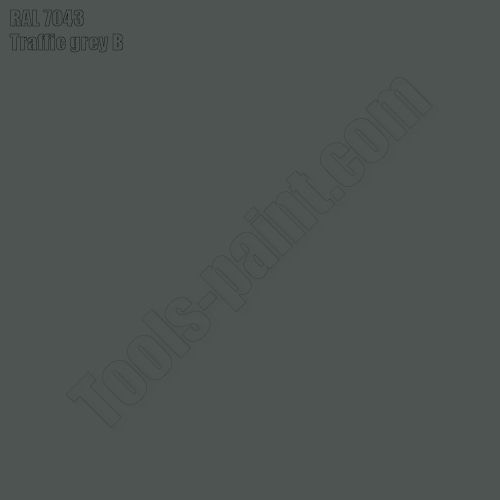
Dark Grey (RAL 7043) |
|
8.02 |
|
Blue (RAL 5002) |
|
4 |
|
Light Grey (RAL 7035) |
|
57 |
|
Carmine Red (RAL 3002) |
|
8 |
|
Yellow (RAL 1003) |
|
47.80 |
|
White (RAL 9016) |
|
87 |
|
Brown (RAL 8002) |
|
10 |
|
Beige (RAL 1019) |
|
29 |
|
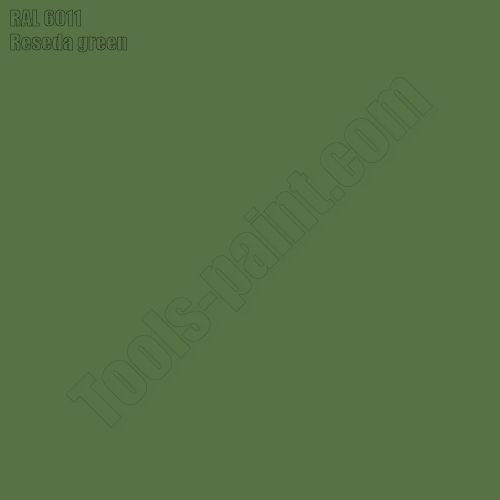
Forest Green (RAL 6011) |
|
18 |








Selecting a Contrasting Colour
When specifying a SureGrip product where visual contrast is required, compare the LRV of the selected SureGrip colour with the LRV of the adjoining surface.
As an example, darker colours such as black or dark grey can provide strong contrast against lighter substrates, while lighter colours such as yellow, light grey or white can provide contrast against darker backgrounds.
The most suitable colour will therefore depend on the surface it is being installed alongside rather than the SureGrip colour in isolation.
LRV relates specifically to light reflectance and visual contrast. It does not measure slip resistance or determine whether a product is suitable for a particular application.